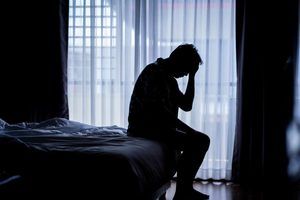
Depression is a complex challenge, and its cause is not always easy to identify. If you have depressive symptoms, it is certainly worth the effort to explore your condition, strive to identify contributing factors, and work with your healthcare team to take steps toward improvement. One major thing you may be able to do is focus on the quality of your sleep, particularly if you have sleep apnea. In this blog post, you will learn how these issues are connected and what might be able to help.
An Undeniable Connection
Sleep apnea is a disorder that causes you to stop breathing multiple times throughout the night. Often, this occurs because tissues in the throat block the free flow of air (this is known specifically as obstructive sleep apnea).
Studies have repeatedly established a link between depression and sleep apnea. For example, research from Standford University School of Medicine found that people with sleep apnea have a 5-fold risk of depression compared to those who breathe normally during sleep. Other data shows that 35 – 60% of people with obstructive sleep apnea (OSA) have symptoms of depression.
The severity of OSA is directly correlated with an increased risk of depression. In other words, the more breathing interruptions you experience, the more likely you are to feel depressed.
What Explains the Correlation?
Sleep is critical for emotional regulation. When sleep apnea interferes with your nightly sleep cycle, this can prevent your brain from resting, rendering it less capable of regulating your feelings. You are also likely to experience a drop in feel-good hormones, such as serotonin and dopamine.
Additionally, the constant fatigue associated with OSA can make it difficult to sustain healthy relationships, feel productive at work, and engage in productive problem-solving.
Steps Toward Improvement
If you have symptoms of sleep apnea beyond depression (such as loud snoring or constant exhaustion), ask a medical professional about getting tested. After you get diagnosed, you can explore treatment options. CPAP therapy is commonly prescribed for OSA, but some patients find it to be inconvenient and uncomfortable. A custom oral appliance from a sleep dentist is an effective alternative for most patients. These treatments facilitate uninterrupted breathing, which leads to higher-quality sleep and the emotional benefits that come with it.
Of course, treating sleep apnea may be just one step in an overall treatment plan. Other steps can simultaneously support good sleep and possibly reduce depressive symptoms, including regular exercise, a balance diet, and spending time with supportive friends.
Depression and sleep apnea often go hand in hand! Prioritize high-quality rest, and you may gain a brighter outlook on life.
Meet the Practice
Dr. Mitch Conditt is a Diplomate of the American Board of Craniofacial Dental Sleep Medicine. As an accomplished sleep dentist, he has helped many patients discover the benefits of oral appliance therapy. If you are struggling to get high-quality rest, our team is ready to advise you on your next steps. Contact Fort Worth Snoring & Sleep Center at 817-527-8500.