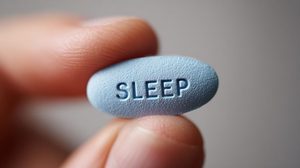
Do you sometimes find it difficult to fall asleep at night? Bouts of insomnia, paired with sleep apnea, can make it nearly impossible to feel well-rested! If you find yourself trapped in a cycle of exhaustion and restless nights, you might be thinking about taking a sleeping pill before you settle into bed each night. Is that a good idea? This blog post explains what you need to know.
The Hidden Dangers of Sleep Aids for People with Sleep Apnea
When you are exhausted, a sleep aid can seem like a simple solution. However, if you have sleep apnea, taking sleeping pills without guidance from a qualified medical professional may create more problems than it solves.
Various sleep aids use different active ingredients, but many of them work in the same way. They are depressants that cause the entire body to relax. That includes the muscles in the throat, mouth, and upper airway.
If you have obstructive sleep apnea, this extra muscle relaxation poses a big problem. The tissues in your throat are already prone to block the free flow of air, which can cause you to stop breathing or experience episodes of reduced breathing repeatedly throughout the night. A sleeping pill can worsen the frequency and severity of these obstructions.
The bottom line? A sleep aid may make you fall asleep faster, but it is likely to worsen the quality of your sleep.
Tips for Falling Asleep Faster
If you find it difficult to fall asleep at night, resist the urge to self-medicate. Here are some other strategies that might help.
- Keep a consistent sleep schedule. Try to go to bed and wake up at the same times each day, even on weekends, so your body learns when to feel sleepy.
- Create a calming wind-down routine. Spend 30 – 60 minutes before bed doing quiet activities, such as reading, gentle stretching, or listening to soothing music.
- Limit screen time before bed. Bright light from phones, tablets, and televisions can make it harder for your body to prepare for sleep.
- Make your bedroom cool, dark, and quiet. A comfortable sleep environment can help your body relax and reduce unnecessary wake-ups.
- Avoid alcohol close to bedtime. Similar to popular sleep aids, alcohol can relax the airway and may worsen sleep apnea symptoms, even if it makes you feel drowsy at first.
- Use your sleep apnea treatment as directed. If you have a CPAP machine or oral appliance, consistent use can help you breathe better and may make sleep feel more restorative. If your device is uncomfortable, talk to your provider about how it can be adjusted.
- Get out of bed if sleep will not come. If you are still awake after about 20 minutes, move to a quiet activity in dim light, then return to bed when you feel sleepy.
- Seek professional mental health care if necessary. If your insomnia is due to stress, anxiety, or depression, consider reaching out to a professional who can help you achieve a calmer state of mind.
Sleeping pills are not a treatment for sleep apnea! Talk to qualified medical professionals to learn how you can safely and effectively improve the quantity and quality of your nightly rest.
Meet the Practice
As a sleep apnea patient himself, Dr. Conditt fully understands the struggles that come with restless nights. That is why he specializes in providing comfortable, effective oral appliance therapy to help patients breathe better each night. To learn more about the services he provides or to request a consultation, contact our office in Fort Worth, TX, at 817-527-8500.