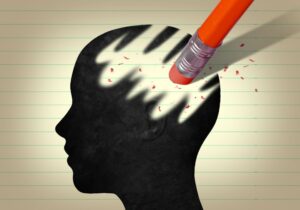
Do you ever walk into a room and forget why you’re there? Have you found yourself blanking on names or dates, or not remembering entire conversations? Memory loss can occur for many reasons, whether it’s a normal sign of aging, a result of excessive stress, or because you’re overtired due to sleep apnea. Here’s how your sleep disorder could negatively affect your brain, and what you can do to stop it!
How Sleep Apnea Affects Memory
Studies have shown that sleep apnea can and does affect your memory. This is because when your rest is interrupted, you cannot convert short-term memories into long-term memories, as this process normally occurs while asleep. Thus, when you wake frequently due to an obstructed airway, you prevent this function from occurring, leaving you feeling scattered and forgetful when you’re awake.
Sleep Apnea & Brain Shape
When you stop breathing during a sleep apnea episode, your brain is unable to receive proper levels of oxygen. When this occurs, it can cause chronic fatigue which may result in physical brain damage. In fact, studies have shown that people with sleep apnea had smaller mammillary bodies, which are where the body stores memories. Furthermore, another study found that the fiber pathways of the brain were significantly altered in sleep apnea patients, specifically in areas responsible for mood regulation, blood pressure, and memory retention.
Repairing the Brain After Sleep Apnea
Although the effects of sleep apnea can take a significant negative toll on the function of your brain, the good news is that this may be reversible. In one particular study, patients who partook in a year of CPAP therapy experienced a nearly complete restoration of their white matter and even improvements in the gray matter, too. Although the research was not conducted on patients using oral sleep appliances, because these devices can eliminate the same negative effects on breathing that CPAP machines can, there’s a good chance they too can help restore and protect brain health.
Remember, leaving sleep apnea untreated can cause noticeable damage to the brain and its functions. To avoid these negative symptoms and restore the health of your body and mind, talk to your dentist today about sleep apnea therapy, and get the restorative rest you deserve.
About Dr. Conditt
After earning his dental degree in 1985, Dr. Mitch Conditt spent years treating smiles in the Fort Worth area before turning his focus to TMJ disorders and sleep apnea therapy. If you are experiencing any of the damaging effects of a sleep condition, don’t take them “lying down.” To learn more about how a comfortable, customized oral appliance could help you get the rest you need while protecting your brain from damage, contact Fort Worth Snoring & Sleep Center to get started by visiting our website or by calling 817-527-8500.